Industrial thermography is not just an inspection tool: it is a strategy for cost savings and risk mitigation.
1. Lower maintenance costs
Thermography makes it possible to move from a reactive maintenance model to a predictive one, with concrete benefits.
Fewer unplanned machine stoppages
Identifying thermal anomalies prevents unexpected stops and ensures production continuity.
Targeted maintenance
Intervening only where needed reduces maintenance time and costs, avoiding blanket disassembly and checks.
Fewer complete replacements
Defects are identified early, while it is still possible to restore a bolted connection or replace a single component instead of the entire assembly.
2. Increased safety and reduced operational risk
Many industrial accidents stem from hidden defects in electrical, mechanical, and thermal systems. Thermography:
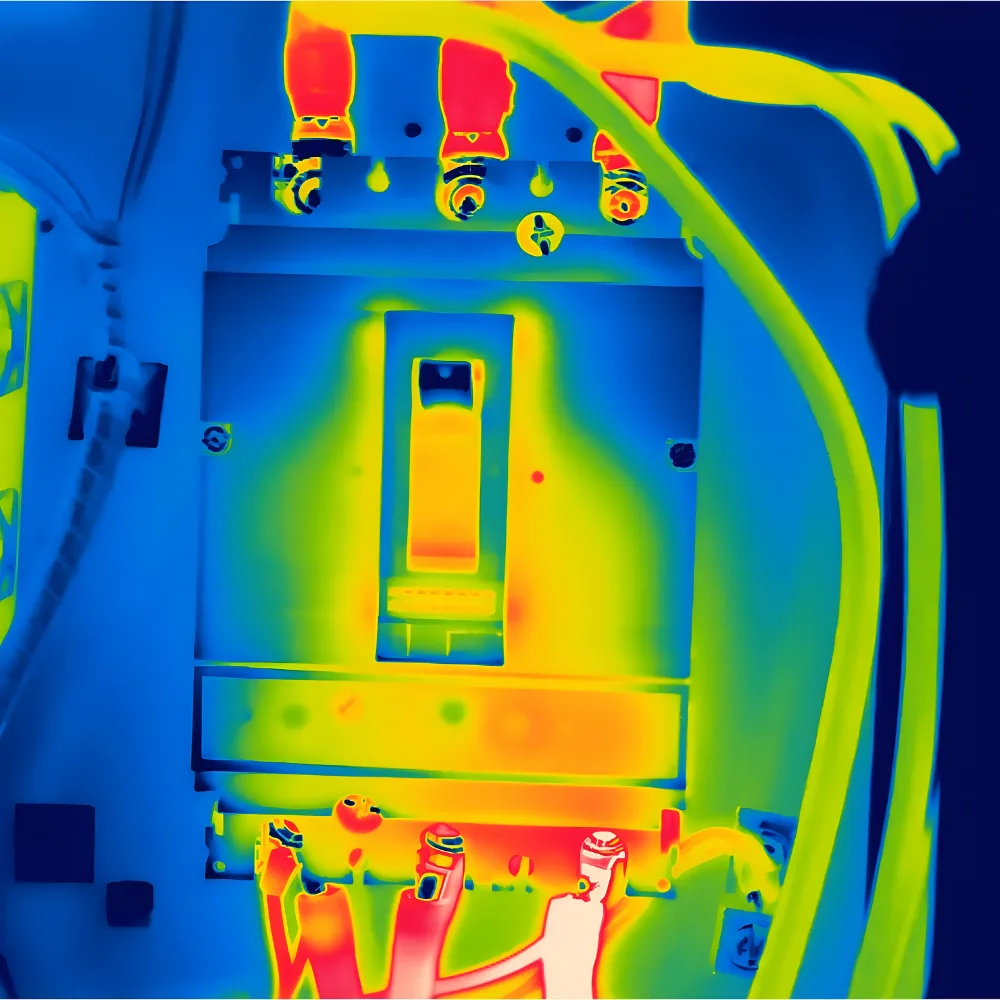
- prevents fires in electrical switchboards;
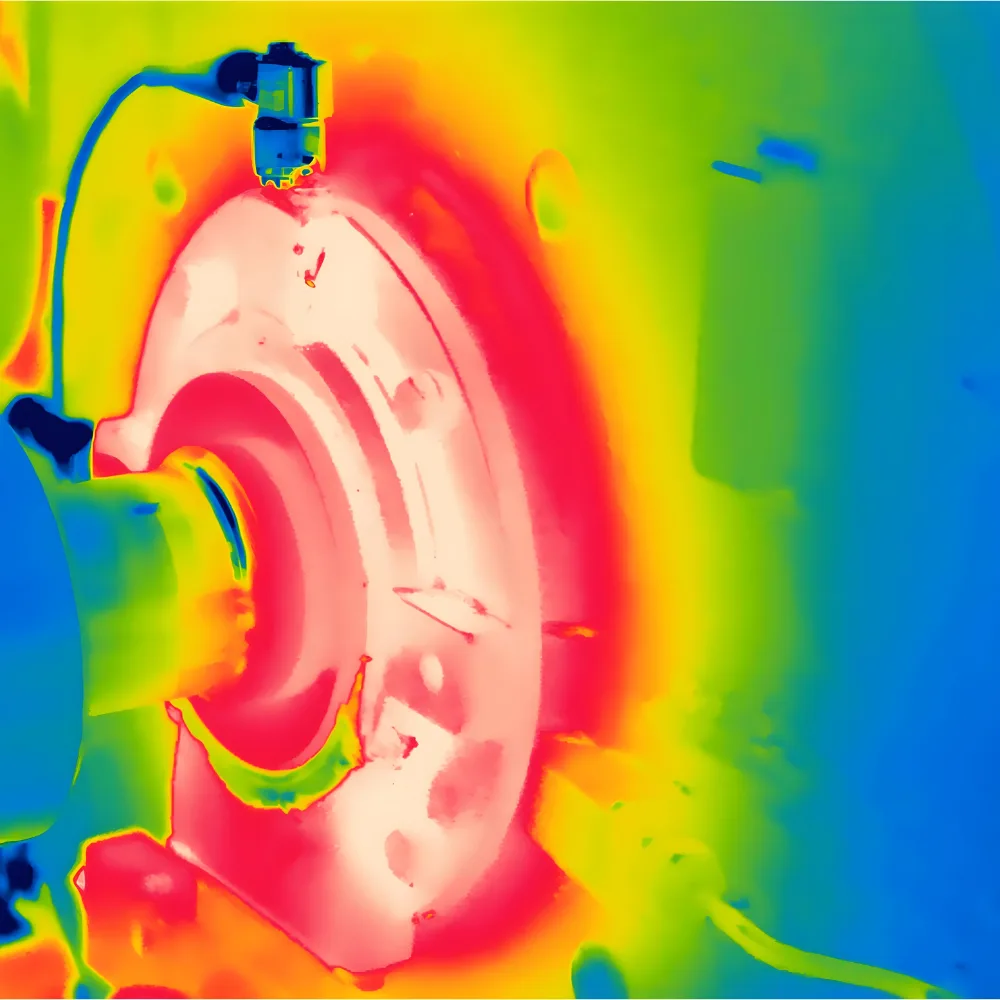
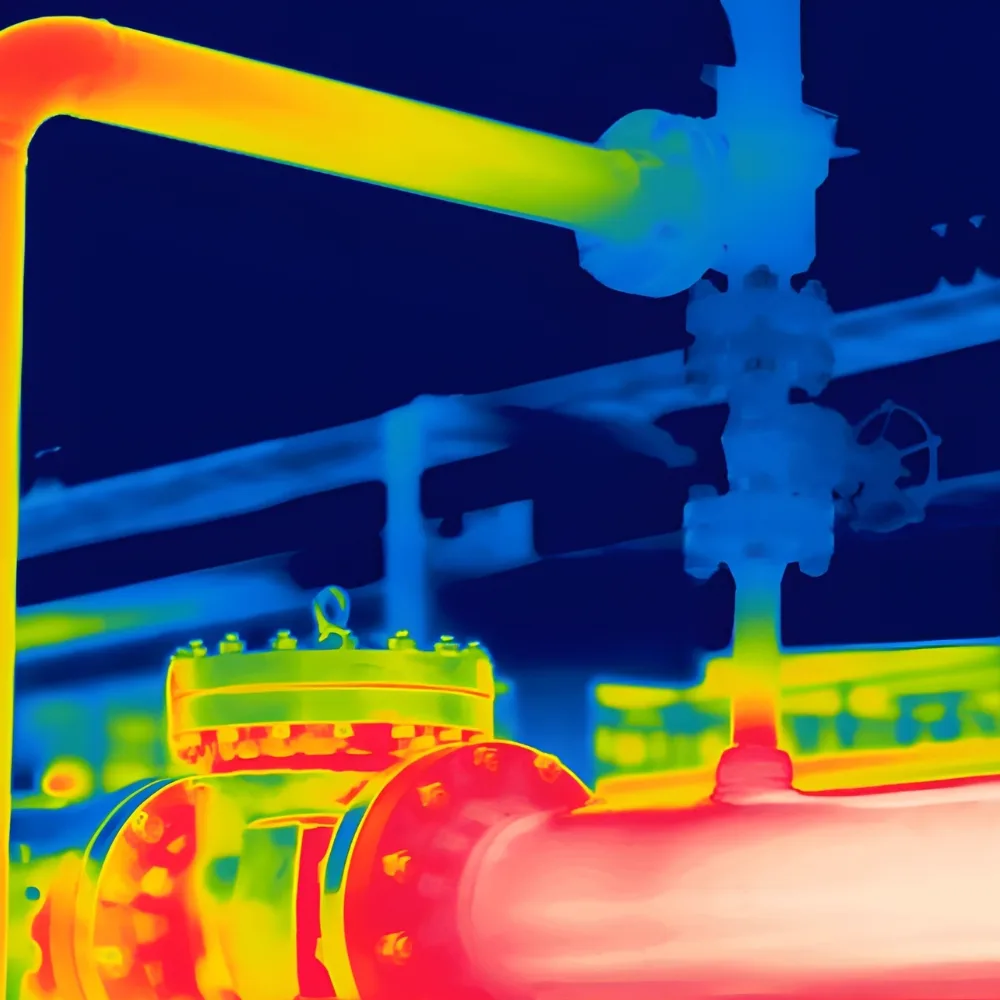
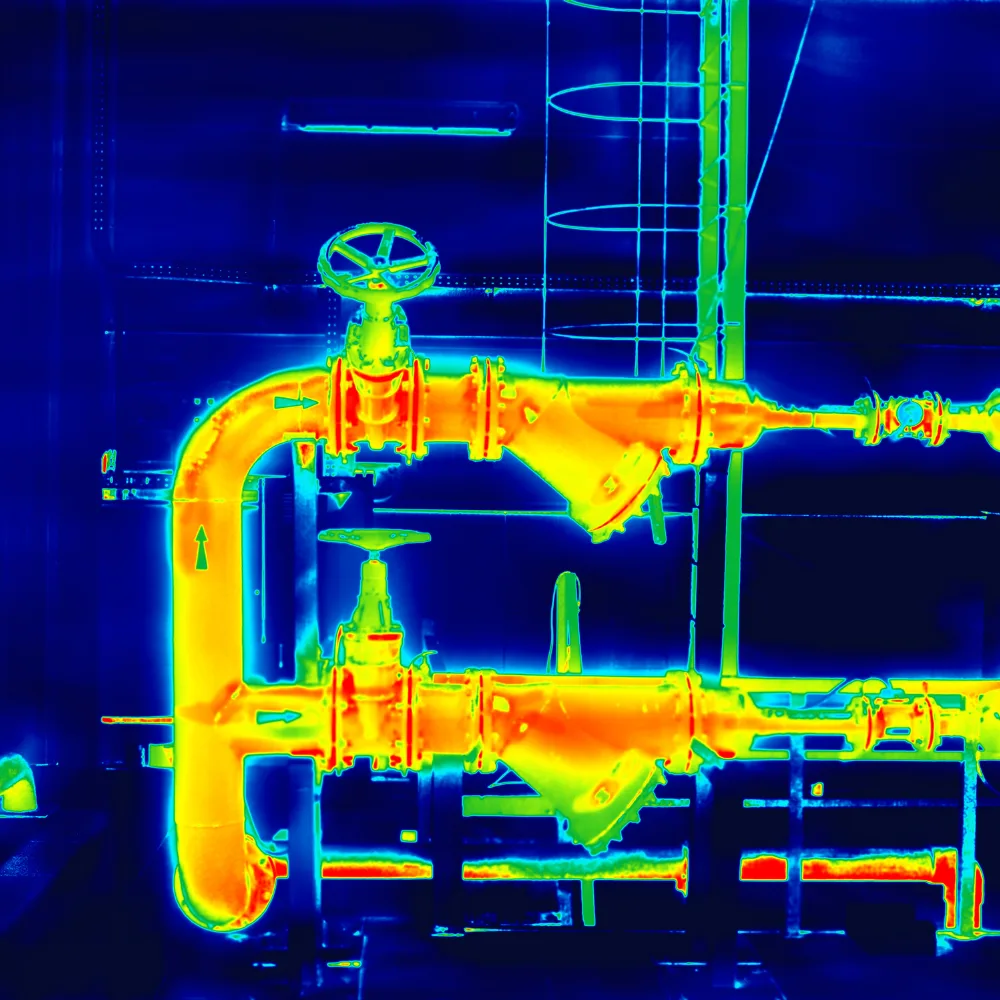
- detects abnormal overheating on piping, valves, and furnaces;
- reduces risk to operators thanks to inspections carried out at a distance.
3. Improved energy efficiency
Infrared analysis makes it possible to identify heat losses, damaged insulation, and abnormal energy consumption. The result is tangible energy savings and a more sustainable plant.
4. ROI: an investment that pays for itself quickly
- significant annual savings on extraordinary maintenance costs;
- longer equipment service life;
- up to 70% fewer unexpected failures;
- investment payback within a few months.
The cost of a thermographic inspection is almost always lower than the cost of a single unplanned downtime event.
Want an estimate for your plant? Request a free on-site survey: together we assess critical assets, campaign frequency, and expected return.