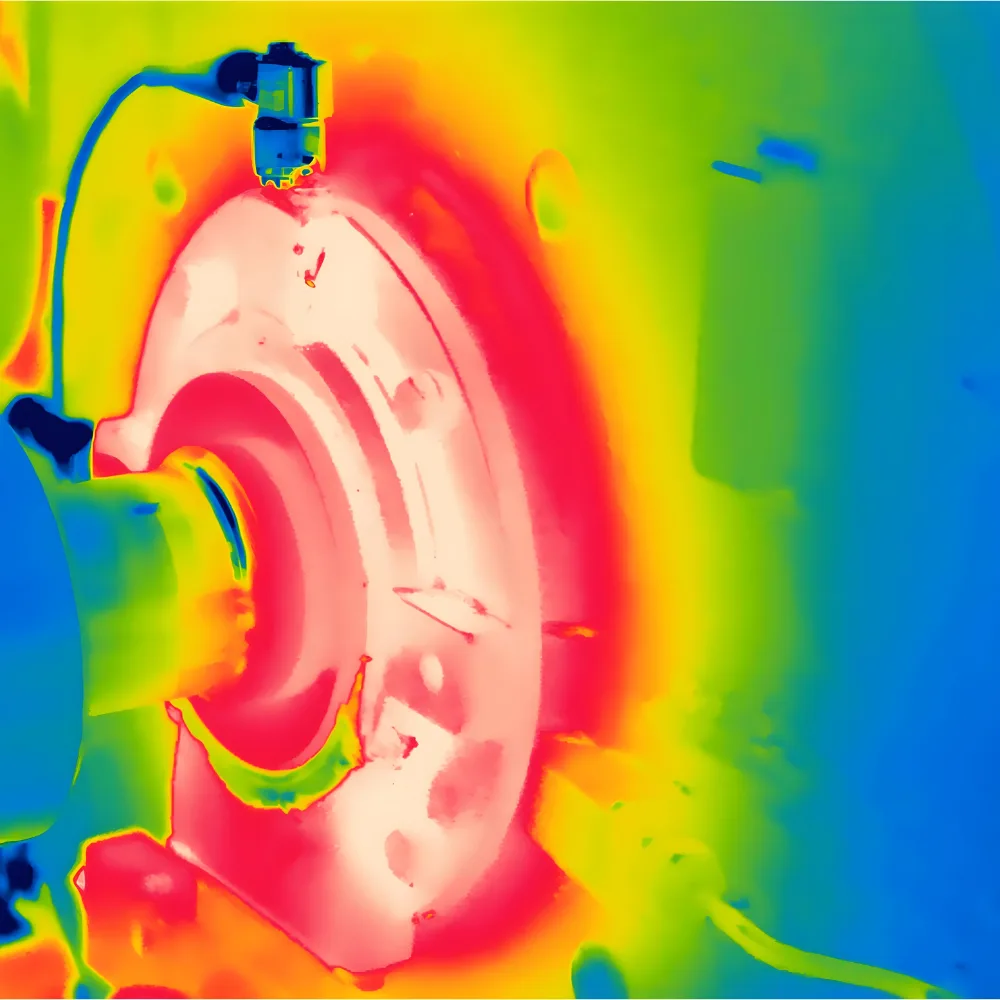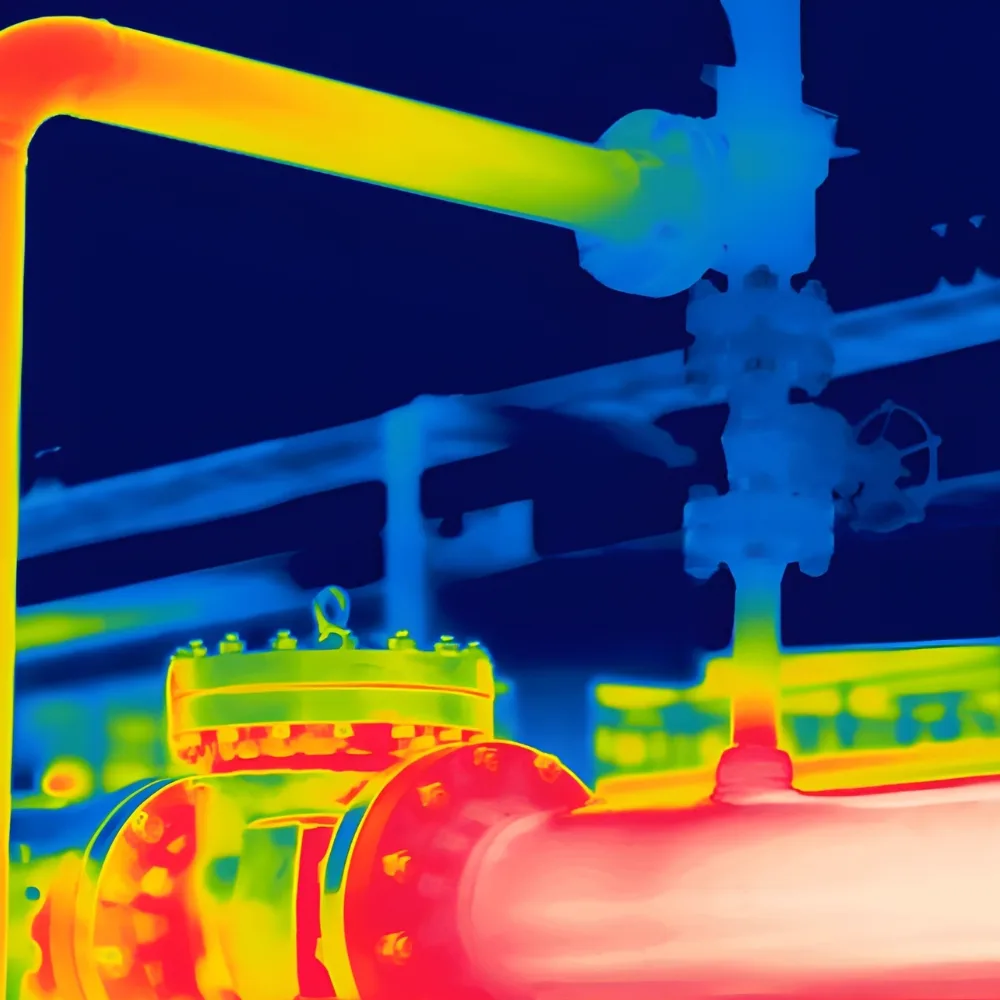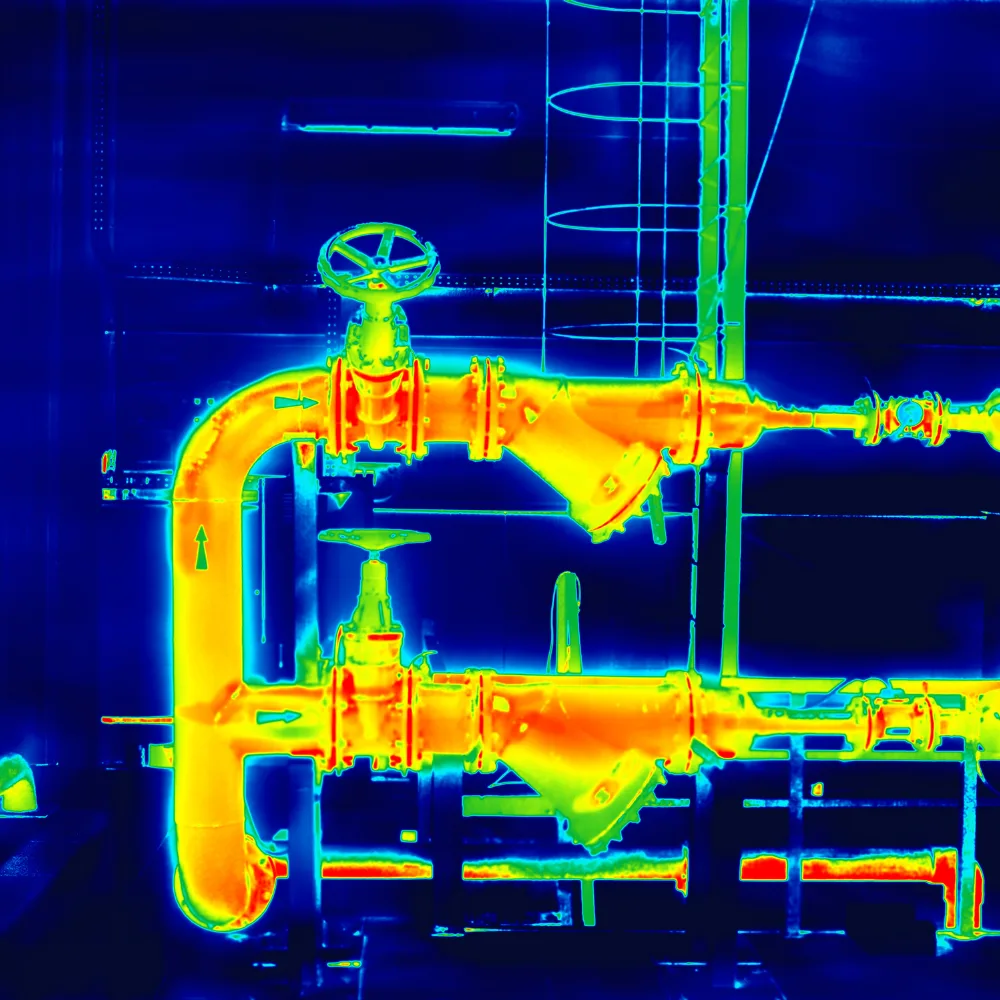
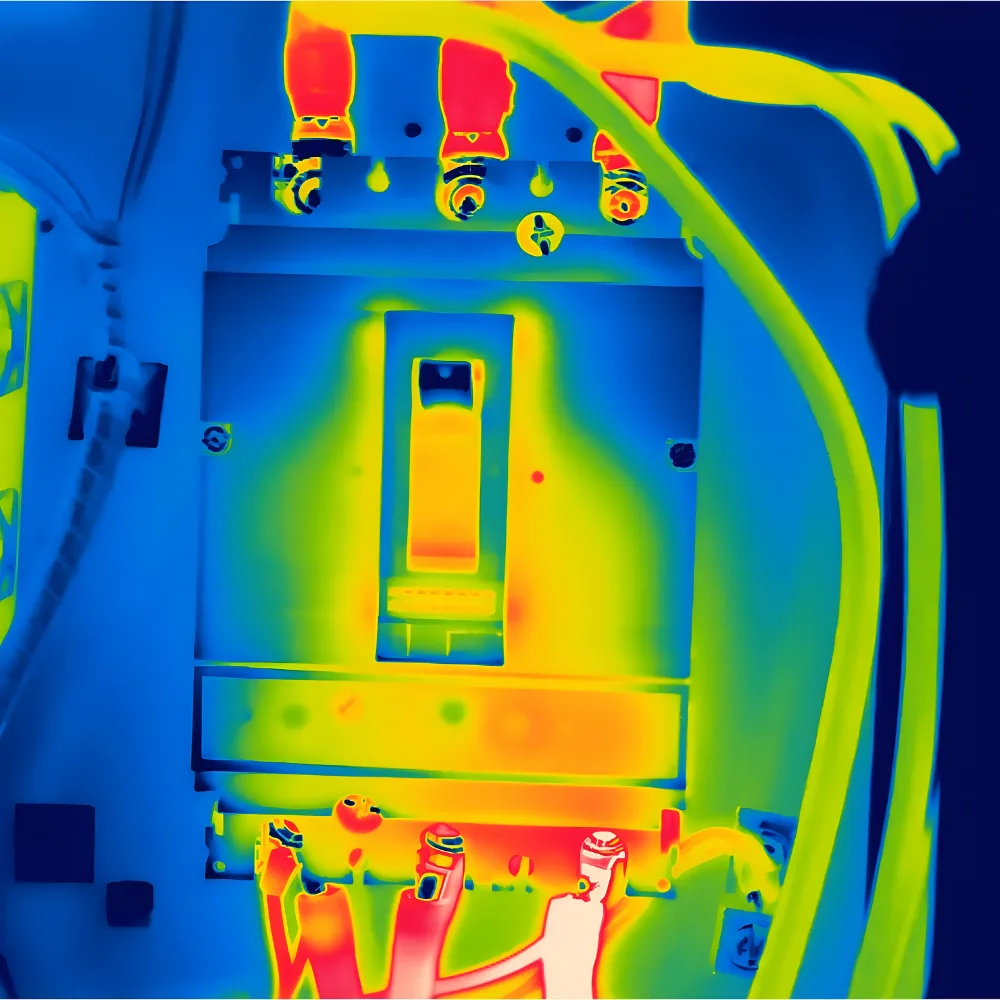
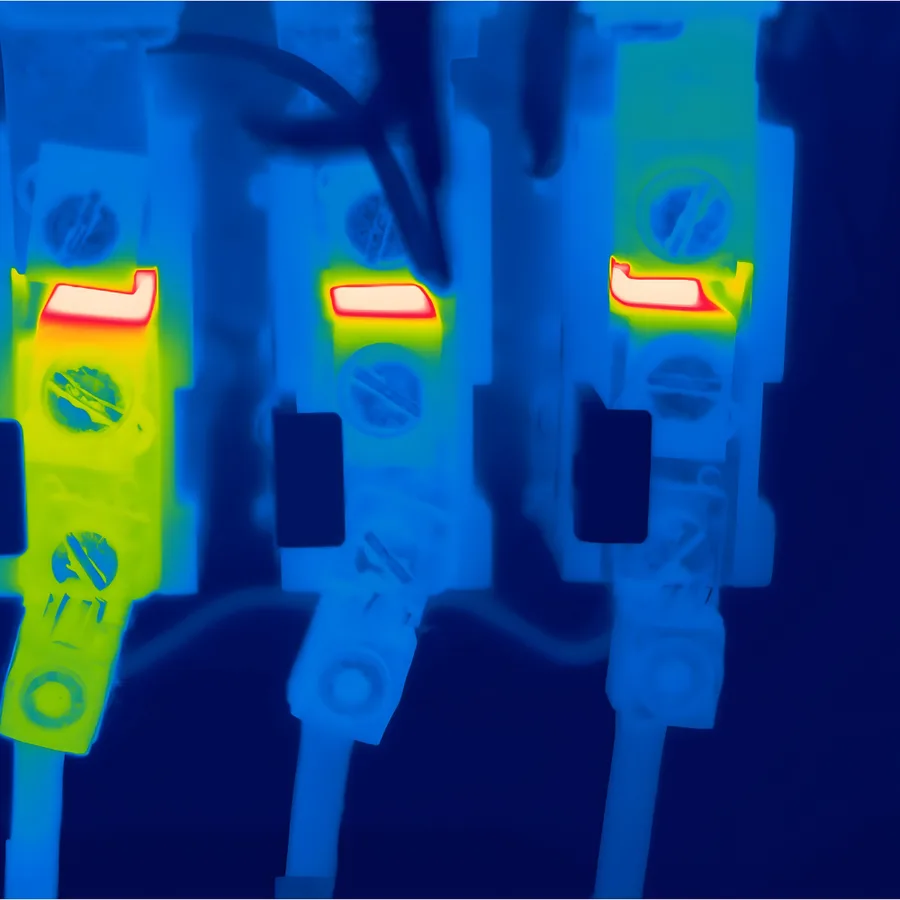
During thermographic inspections, the operator must wear arc flash protection. This is not a formality: it is the difference between a routine inspection and an irreversible injury.
When we think of the hazards facing an electrical worker, electrocution is often the first thing that comes to mind. But there is another equally dangerous threat: the arc flash.
What an arc flash is and why it is so dangerous
An arc flash is a discharge of electricity through the air, triggered by human error, dropped tools, loose connections, or sudden faults. It is an explosion of pure energy: a fireball that can reach 20,000 °C, generating devastating blast waves and thermal radiation.
The main consequences are:
- extreme radiant heat;
- pressure wave (blast);
- projection of molten metal and shrapnel.
Statistics show that arc flash incidents are among the leading causes of death and disability in the electrical industry.
Protective equipment
Arc flash PPE (CEI EN 61482-1-2) includes:
- flame-resistant base layer;
- AAPC garments (Nomex®, Kermel® and similar);
- helmet or hood with face shield;
- arc-flash-rated gloves;
- flame-resistant safety footwear.
Beyond compliance: a culture of safety
Purchasing the equipment alone is not enough. What is essential is:
- risk and arc energy assessment (cal/cm²);
- operator education and training;
- proper maintenance and periodic verification of PPE.
Arc flash protection is not a cost, but an invaluable investment.
Protecting operators means building a true culture of safety. That is why every one of our interventions starts with a risk assessment: find out how we work on our About us page or explore our electrical systems services.